EDT vs EDP vs Parfum: Which Concentration Should You Actually Buy?
You have been standing in front of a fragrance counter, or scrolling through a product page, and you have seen it: the same fragrance, sometimes in three or four versions. Eau de Toilette. Eau de Parfum. Parfum. Eau de Cologne. The prices are different. The bottles look nearly identical. And no one has adequately explained what the difference actually is — or whether it matters.
It matters. Not always in the way the marketing suggests, but in ways that are real, measurable, and genuinely useful to understand before you spend money on a fragrance.
This guide explains the difference between every fragrance concentration, tells you what to expect from each, and helps you decide which one is right for you.
What Fragrance Concentration Actually Means
Every perfume is a mixture of two components: fragrance oil and a carrier — typically alcohol, sometimes water or oil. The concentration refers to what percentage of that mixture is fragrance oil versus carrier.
Higher concentration generally means:
- More intense opening
- Longer longevity on skin
- Less projection in some cases (more skin-close)
- Higher price
But higher concentration does not always mean better. A well-formulated EDT can outperform a poorly formulated EDP in both longevity and beauty. Concentration is a guide, not a guarantee.
Here is what each concentration means in practice.
Eau Fraîche — 1% to 3% Concentration
A brief note on this less common format: Eau Fraîche is even lighter than Eau de Cologne, typically consisting of fragrance diluted in water rather than alcohol. It is designed for immediate, light freshness rather than lasting wear — the fragrance equivalent of a light mist. Longevity is typically 1 to 2 hours. It is less common in mainstream perfumery but appears in some summer-specific releases.
Eau de Cologne (EDC) — 2% to 4% Concentration
What it is: The lightest fragrance concentration available, Eau de Cologne is built around a high proportion of alcohol and water with a minimal percentage of fragrance oil. The term "cologne" is often used colloquially to mean any men's fragrance, but technically it refers specifically to this concentration tier.
How it wears: EDC opens with a bright, often citrusy burst that is immediately appealing but fleeting. Longevity on skin is typically 2 to 3 hours. Projection is limited and skin-close.
When to choose it: EDC is the choice for hot weather, for those who prefer a subtle, barely-there scent, and for situations where you want fragrance that functions more like a light body freshener than a serious olfactory statement. Classic barbershop colognes and many traditional citrus fragrances operate at this concentration.
Who it's for: Minimalists, those new to fragrance, warm-climate daily wear.
Eau de Toilette (EDT) — 5% to 15% Concentration
What it is: The most common concentration for men's designer fragrances, EDT strikes the balance between accessibility, affordability, and performance that has made it the dominant format in mainstream perfumery for decades.
How it wears: EDT opens with a clear, often fresh or citrusy brightness that represents the fragrance's top notes most accurately. Longevity on skin typically runs 4 to 8 hours, with projection that is moderate — noticeable in close proximity and immediately after application, fading to a skin-close presence by the end of the day.
When to choose it: EDT is the choice for daily wear, warm weather, professional environments, and situations where you want to smell good without making an aggressive statement. The EDT version of most fragrances is also the most affordable, making it the best entry point for exploring a new house or fragrance family.
The nuance: Because EDTs are built for projection and brightness rather than depth, they often present a more accurate representation of a fragrance's top and heart notes. Some compositions are actually more beautiful as EDTs — the freshness of the concentration suits certain citrus and aquatic fragrances better than a richer EDP would.
Classic EDT examples:
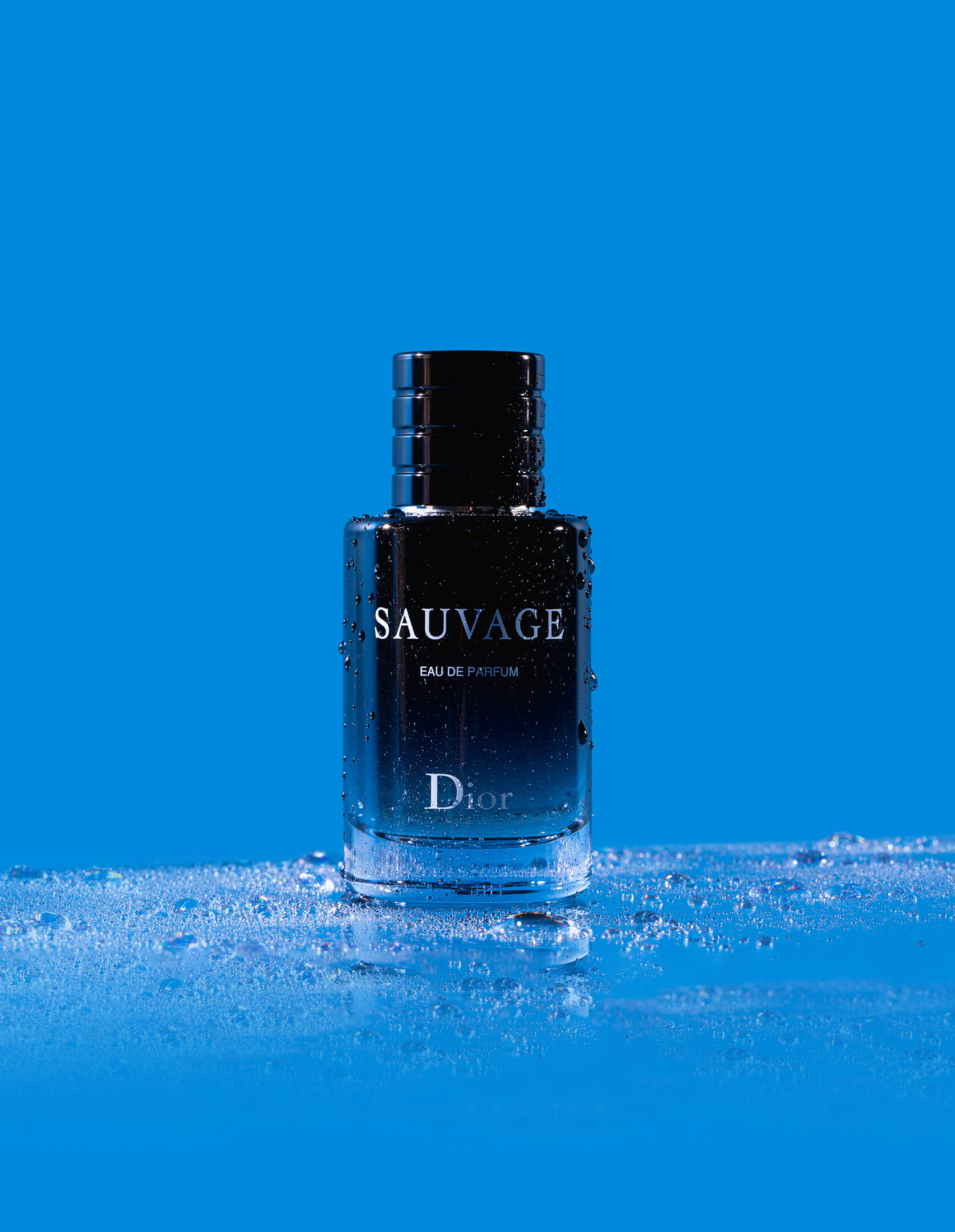
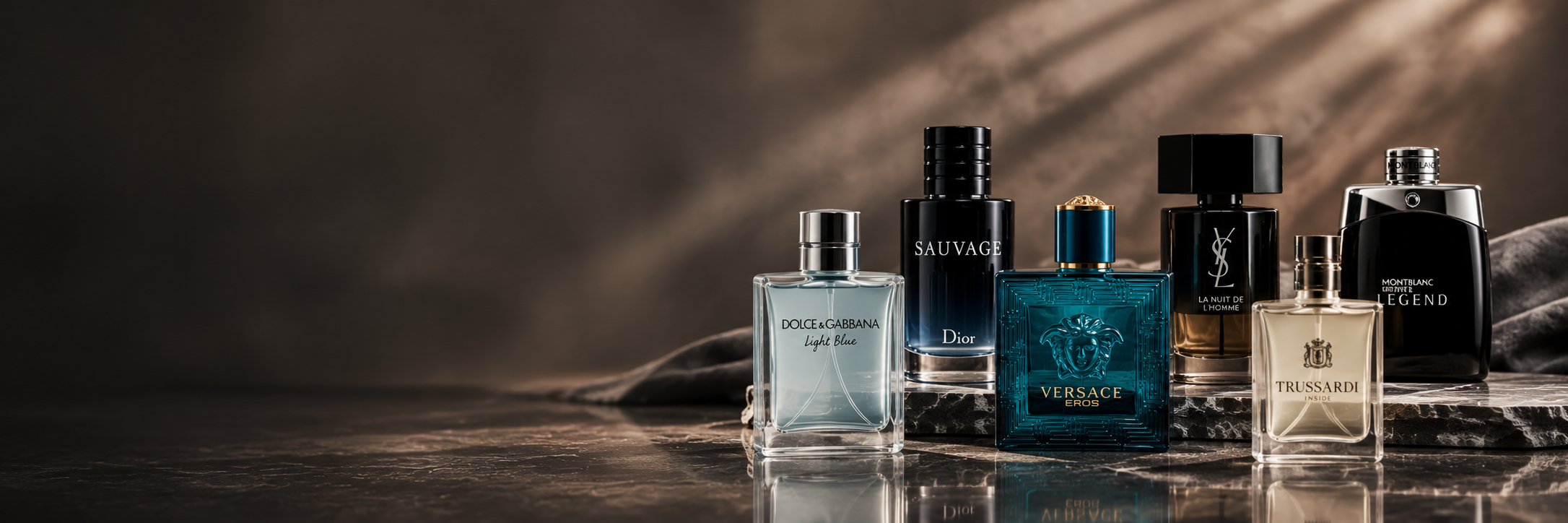
- Dior Sauvage EDT — the clean, bergamot-forward version of the iconic accord
- Versace Eros EDT — bright mint and apple before the warmth settles in
- YSL La Nuit de L'Homme EDT — the defining date-night masculine
- Montblanc Legend EDT — the benchmark clean fresh masculine
- Dolce & Gabbana Light Blue EDT — the definitive summer feminine
Who it's for: Everyday wear, warm weather, office settings, beginners.
 EDT
EDT
Montblanc — EDT at its best
Legend EDTLavender, pineapple & oakmoss — the benchmark clean fresh masculine. 4–6 hours of bright, effortless wear.
🔒 100% Authentic · 📦 Ships in 1 business day
Eau de Parfum (EDP) — 15% to 20% Concentration
What it is: The most versatile concentration tier, EDP offers a significant step up in depth, longevity, and complexity compared to EDT while remaining accessible and broadly wearable. Many of the most celebrated fragrances in modern perfumery are EDPs.
How it wears: EDP opens with more depth than an EDT — the higher concentration means the heart and base notes are more immediately present from the first spray. Longevity typically runs 8 to 14 hours. Projection is more generous, particularly in the first few hours, before settling into a lasting skin-close sillage.
When to choose it: EDP is the choice for autumn and winter, for evening and formal occasions, and for those who want their fragrance to last through a full day without reapplication. The EDP version of most fragrances also reveals more of its complexity — notes that are muted or brief in the EDT version have space and concentration to develop fully.
The nuance: EDP is not simply a "stronger EDT." Many EDPs are formulated differently from their EDT counterparts — different base notes, different proportions, different characters entirely. Understanding this distinction prevents disappointment when sampling.
Classic EDP examples:
- Dior Sauvage EDP — warmer, deeper, lavender-forward versus the EDT's citrus brightness
- YSL Black Opium EDP — the coffee-vanilla gourmand that defined a decade
- YSL Libre EDP — the distinctive lavender-feminine that challenges expectations
- Carolina Herrera Good Girl EDP — dark floral-gourmand with coffee and jasmine
- Armani Stronger With You Absolutely EDP — beast mode caramel and tonka
Who it's for: Year-round use, cooler months, evenings, formal occasions, those who want lasting performance.
 EDP
EDP
YSL — EDP at its best
Black Opium EDPCoffee, vanilla & jasmine — the gourmand feminine that defined a decade. 10–12 hours.
🔒 100% Authentic · 📦 Ships in 1 business day
Parfum / Extrait de Parfum — 20% to 40% Concentration
What it is: The highest concentration tier, Parfum (also called Extrait de Parfum or simply Extrait) contains the maximum proportion of fragrance oil and the minimum proportion of alcohol. It is the most expensive format, applied most sparingly, and delivers the most lasting, most skin-close, most intimate fragrance experience.
How it wears: Parfum opens differently from EDT or EDP — because the alcohol content is lower, the opening is less sharp and more immediate. The fragrance seems to emerge from the skin rather than project from it. Longevity is exceptional — 14 to 24 hours on skin is common for quality Parfums. Projection, counterintuitively, is often more intimate than an EDP rather than more aggressive.
When to choose it: Parfum is the choice for special occasions, for cold weather, for intimate settings, and for those who want the absolute maximum longevity from a fragrance they love. It is also the choice for those with sensitive skin — the lower alcohol content makes Parfum significantly less likely to cause irritation.
Application note: Because of its concentration and longevity, Parfum should be applied sparingly — one to two touches on pulse points is typically sufficient. Over-application is the most common mistake.
Classic Parfum examples:
- Dior Sauvage Parfum — the most refined, most mysterious version of the Sauvage accord
- YSL Libre Le Parfum — the richest, most opulent expression of the lavender-feminine concept
- La Nuit de L'Homme Le Parfum — the definitive cold-weather date-night masculine
- Kilian Angels' Share EDP (technically EDP but Parfum-tier concentration) — cognac and caramel
- Jean Paul Gaultier Le Male Elixir — the beast mode chapter of the Le Male story
Who it's for: Special occasions, cold weather, intimate settings, fragrance enthusiasts, those with sensitive skin.
 Le Parfum
Jean Paul Gaultier — Parfum at its best
Le Male Le ParfumLavender, iris & amber — skin-close, commanding, 14+ hours. The captain's version.
🔒 100% Authentic · 📦 Ships in 1 business day
The Real-World Guide: Which Concentration to Buy
Rather than abstract rules, here is how to think about the decision practically:
Buy the EDT if:
- You are exploring a new fragrance for the first time
- You wear fragrance primarily in warm weather or professional environments
- You prefer subtle, skin-close wear
- You are on a budget and want the most fragrance for your money
- The fragrance is known primarily as a summer or daytime scent
Buy the EDP if:
- You want year-round versatility
- You wear fragrance primarily in autumn and winter
- You want better longevity without reapplication
- You enjoy evening wear and formal occasions
- You have already tried the EDT and want more depth
Buy the Parfum if:
- You know the fragrance well and love it deeply
- You want the best possible longevity
- You are buying for a very special occasion
- You have sensitive skin and want to minimize alcohol exposure
- You want the most intimate, skin-close wearing experience
Does Higher Concentration Always Mean Better?
No — and this is the most important thing to understand.
Concentration affects character, not just strength. Some of the world's most beloved fragrances are EDTs — Dior Sauvage EDT, La Nuit de L'Homme EDT, Dolce & Gabbana Light Blue EDT, Montblanc Legend EDT. These fragrances are not improved simply by concentrating them — they have a character that the EDT format specifically suits.
Similarly, some EDPs are not simply "stronger" versions of their EDT counterparts. They are different fragrances with different DNA that happen to share a name. Always sample before committing if a fragrance is available in multiple concentrations.
Where to Find Every Concentration
At Sensa Beauty, you will find the complete range of concentrations for the world's most iconic fragrances — from Dior Sauvage in every version to YSL, Armani, Versace, and beyond. Every bottle is 100% authentic, sourced from authorized distributors and verified before it ships. Read our Authenticity Guarantee to shop with complete confidence. Explore the complete fragrance catalog and find your ideal concentration.
Love our fragrance guides? Add Sensa Beauty as your Google Preferred Source so you always find us first when searching for niche fragrances, reviews, and recommendations.
ADD US AS A PREFERRED SOURCEFrequently Asked Questions
1. Is EDP always stronger than EDT?
In concentration, yes. In practice, not always — some EDTs project more aggressively than some EDPs, depending on the specific formulation. Higher concentration tends to mean longer longevity, not necessarily louder projection.
2. Why does EDP cost more than EDT?
Because it contains a higher proportion of fragrance oil, which is typically the most expensive component of a fragrance. More oil means higher manufacturing cost.
3. Should I layer EDT and EDP of the same fragrance?
Some enthusiasts do this for added complexity and longevity. Apply the EDT first, then the EDP on top. The result is a layered, more complex version of the fragrance. Worth experimenting with if you own both versions.
4. Does Parfum last longer than EDP?
Generally, yes — significantly longer. Parfum longevity of 14 to 24 hours is common for quality compositions. EDP typically lasts 8 to 14 hours.
5. Is Parfum always a better investment?
Not necessarily. If you love a fragrance in its EDT form, buying the Parfum is not automatically an upgrade — it is a different experience. Sample first before committing to the premium concentration.
6. Which concentration is best for sensitive skin?
Parfum — the lower alcohol content reduces the likelihood of irritation. Eau Fraîche (alcohol-free) is the gentlest option if skin sensitivity is a significant concern.
7. Does concentration affect how a fragrance smells?
Yes, meaningfully. The same fragrance house often formulates different concentrations differently — not just with more or less oil. The proportions of top, heart, and base notes may shift between EDT and EDP, creating distinct characters.
8. Why do some fragrances only come in EDT?
The house decides which format best suits the composition. Fresh, aquatic, and citrus fragrances often remain EDTs because higher concentration can distort their light, bright character.
9. Is EDP or Parfum better for cold weather?
Both work well in cold weather — the reduced evaporation in low temperatures means EDT will also perform better than in heat. EDP and Parfum are generally preferred for their added depth and warmth in winter.
10. How should I apply Parfum to maximize performance?
Apply one to two touches on pulse points — wrists, inner elbows, neck. Do not rub the wrists together after application (this breaks down the fragrance molecules). Let it dry naturally and resist the urge to over-apply.

Leave a comment
This site is protected by hCaptcha and the hCaptcha Privacy Policy and Terms of Service apply.